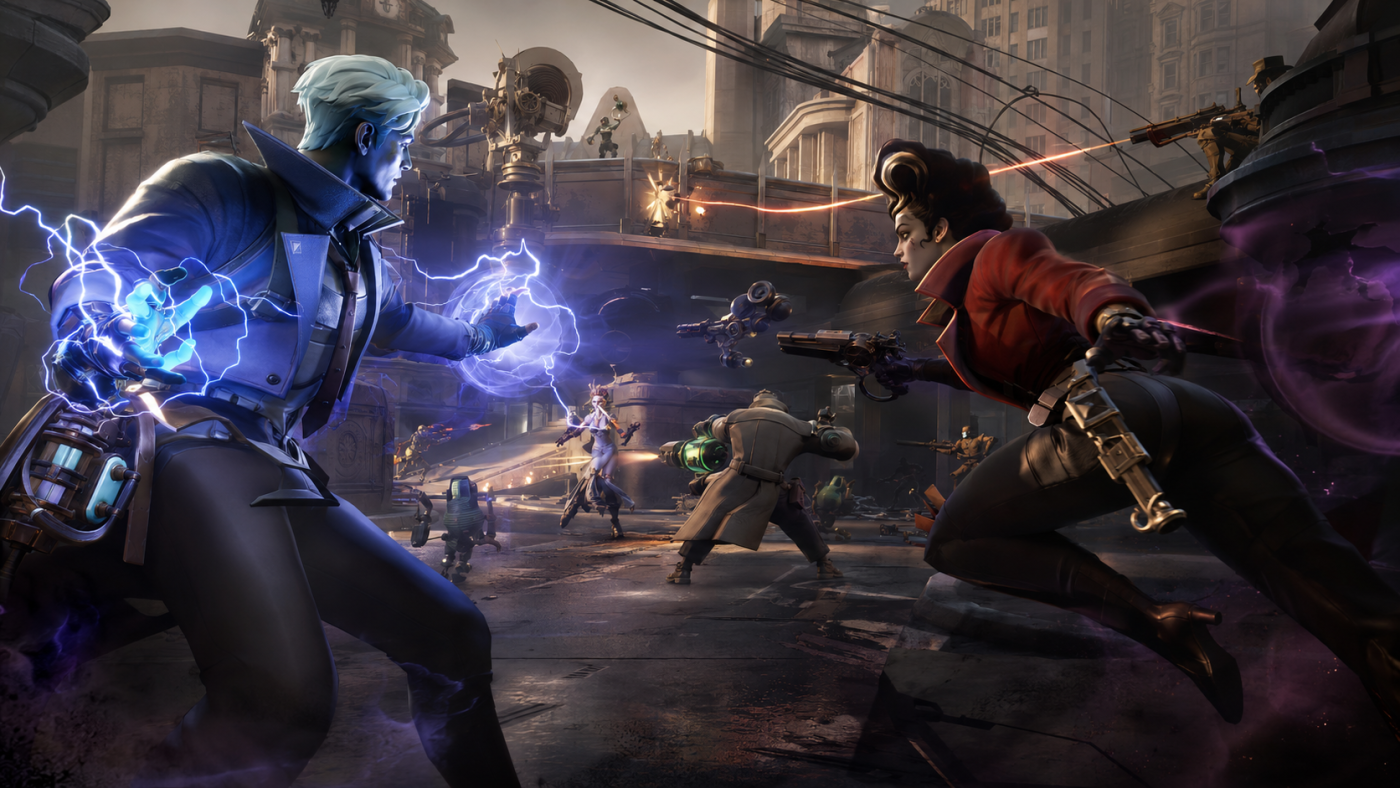
Deadlock’s ranked mode has come a long way from the game’s earlier matchmaking system. There was a time when you could simply queue up and have your performance count toward ranked progression whether you wanted a competitive game or not. That had its charm, but the current system is much more deliberate: ranked is locked behind several requirements, progression is slower, and the game expects you to know what you’re doing before it lets you start climbing.
That makes sense for players who want a proper competitive environment rather than sweating through every match after work. It also gives Deadlock a clearer path toward the competitive scene.
The catch? Getting into ranked is only the first hurdle.
Here’s everything you need to know about unlocking ranked, placement matches, Deadlock’s ranks, point progression, match rules, and the habits that can help you climb faster.
How to Unlock Ranked in Deadlock
You can’t jump straight into ranked matches on a fresh account. Deadlock requires you to put some time into Standard games first, which also makes it harder for boosters and smurfs to immediately enter competitive matchmaking.
You need to complete both of these requirements:
- Win 60 Standard games
- Get 15 wins on three different heroes
Once you’ve done that, ranked becomes available.
There are still a few restrictions once you unlock it:
- Ranked parties can contain no more than two players.
- Your eight placement matches must be played solo.
- You and your duo partner cannot be more than one full rank apart. For example, an Oracle player cannot queue with a Ritualist.
- You cannot currently assemble a full six-player premade team for ranked matches.
That last restriction is particularly painful if you prefer coordinated five- or six-player stacks. A full-team ranked queue could potentially arrive in the future, especially considering that Dota 2, another game from the same developers, already supports larger coordinated groups. For now, though, that’s speculation rather than an announced feature.
How Deadlock Ranked Matches Work
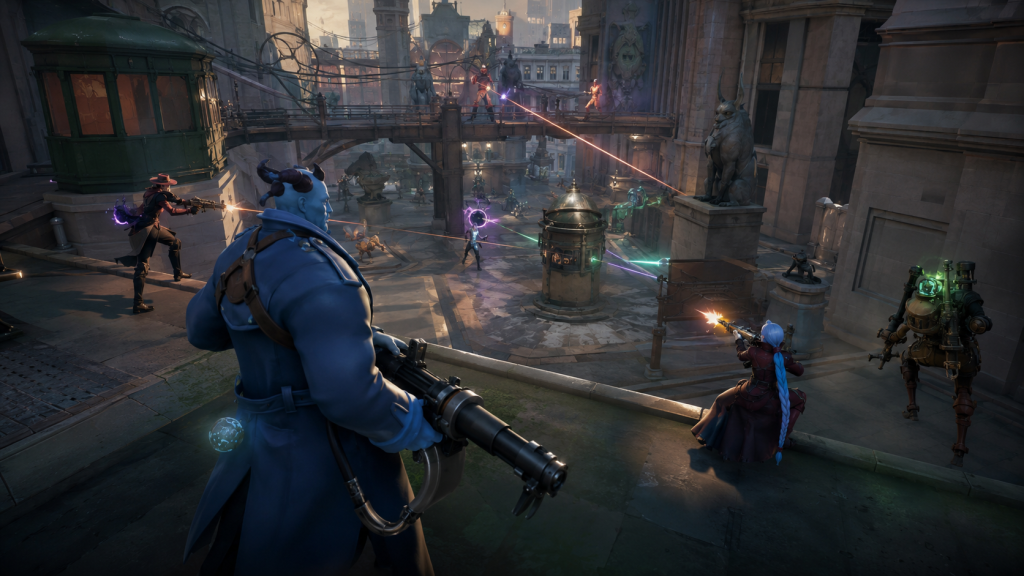
Ranked doesn’t introduce an entirely different version of Deadlock. Once the match begins, you’re still playing the same MOBA-meets-movement-shooter you’ve been learning in Standard.
What changes is the pressure.
Your performance affects your rank, and the matchmaking system puts much more weight on competitive progression. Before you start worrying about individual matches, though, you have to complete your calibration.
Placement Matches
Every new ranked player must complete eight placement matches, all played solo.
Once those eight games are finished, Deadlock assigns your initial rank based on your performance.
The exact formula isn’t completely obvious from the information available to players. Wins clearly matter, but the initial rank isn’t simply a direct reflection of your win count. Your impact during important moments and other performance factors may also play a role. Actions-per-minute could potentially be part of that evaluation as well, although the precise system isn’t publicly established.
For now, the important part is simple: don’t treat your placement games like casual Standard matches.
Ranked Points and Winning Streaks
The current ranked system awards 300 rank points per match. Matchmaking conditions and winning streaks can affect the amount you receive.
A five-game consecutive win streak can provide up to +90 additional points.
That represents an increase from the previous system. Before the August 2 patch, players received 250 points per match, with a maximum +75 bonus for five consecutive wins.
| Ranked progression | Current system | Before August 2 |
|---|---|---|
| Base points per match | 300 | 250 |
| Five-win streak bonus | Up to +90 | Up to +75 |
So while ranked progression remains fairly slow, the current system gives stronger rewards for players who can maintain a winning streak.
Deadlock Subranks and Rank Protection
Every standard rank is divided into six subranks.
Moving up one subrank requires 1,000 points. However, moving from the sixth subrank into the next full rank requires 2,000 points.
Dropping is a little more forgiving.
If your score reaches the bottom of your current subrank, you receive two matches of rank protection before you can fall into the next lower subrank.
Falling into a lower full rank requires five losses.
Deadlock also gives you a visual warning about this protection. A shield icon beneath your player rank shows how many losses you have remaining before you can drop.
In other words, if you’ve somehow managed to lose five games in a row without realizing you’re on a losing streak, the ranked system has probably given you plenty of warning.
How Eternus Works
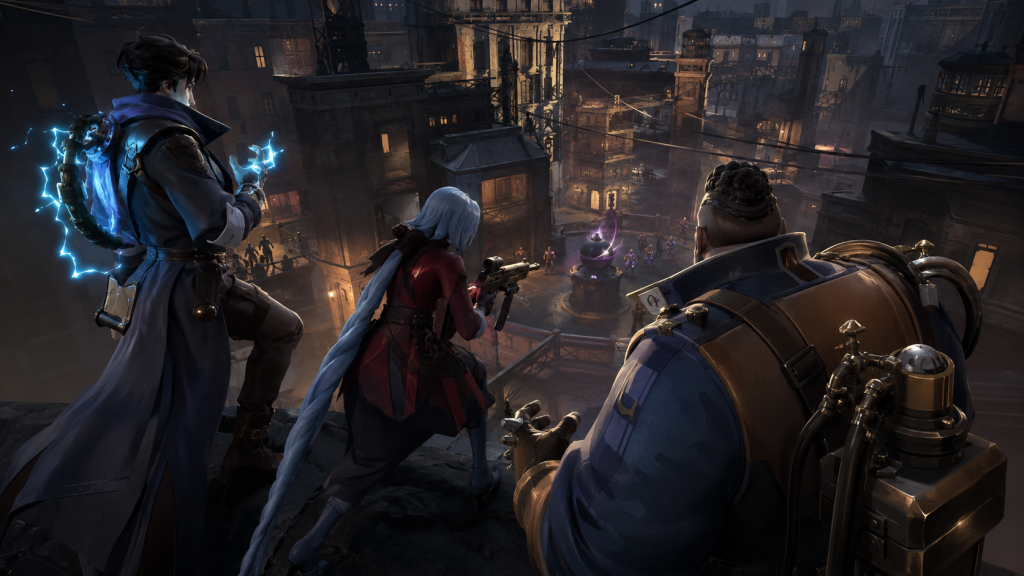
Eternus operates differently from the standard rank ladder.
It still contains six subranks, but Eternus is divided using percentile-based rankings rather than the same fixed progression used by the lower ranks.
That’s because Eternus represents only a few hundred of the best players on the server.
As a result, the ranking is considerably more volatile. Your position can change based on your Elo relative to other Eternus players, meaning you can fall into a lower Eternus subrank even without simply following the same point-loss structure used elsewhere.
At the very top, you’re not just competing against the match you’re currently playing. You’re competing against everyone else fighting for those limited spots.
Deadlock Ranked Drafting and Hero Bans
Don’t expect a traditional pre-match hero draft.
Deadlock doesn’t currently let the entire team select their heroes before the ranked match begins. Instead, once the game starts, each player gets 30 seconds to change their hero, and each player can make that change only once.
You can also switch your assigned lane during this period.
The enemy team’s selections aren’t shown to you. However, there is an interesting rule when both teams select the same hero: that hero becomes unavailable for the match.
Ranked matches also allow players to ban up to three heroes.
It’s a much looser system than the traditional draft format found in many MOBAs, so you’ll need to think about your hero pool before the match rather than assuming you’ll have a chance to react to every enemy pick.
What Happens When Someone Abandons a Ranked Match?
Deadlock has specific rules for abandoned matches, and the five-minute mark is the important cutoff.
Abandonment before five minutes
If a player leaves before the match reaches five minutes:
- The match isn’t scored.
- Players can leave without receiving penalties.
- The player who abandoned and their duo partner are exceptions.
Abandonment after five minutes
If someone leaves after five minutes:
- The match isn’t scored.
- That player’s team can safely leave.
- If that team eventually wins despite the abandonment, the match is scored normally.
If everyone on one team leaves, the match ends early and the opposing team wins.
So if someone rage-quits early, you don’t necessarily have to sit through a doomed match just because your teammate decided they’d rather be anywhere else.
All Deadlock Ranks
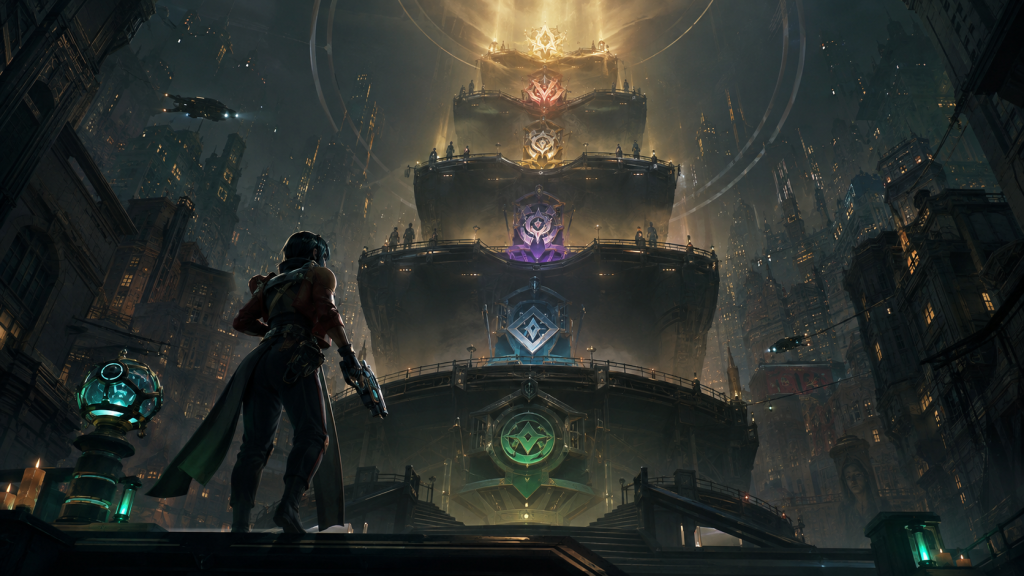
Deadlock has 11 ranks, beginning with Initiate and ending with Eternus.
The full ladder looks like this:
| Rank | Approximate traditional equivalent |
|---|---|
| Obscurus | Unranked |
| Initiate | Brick |
| Seeker | Stone |
| Acolyte | Iron |
| Sentinel | Bronze |
| Mystic | Silver |
| Ritualist | Gold |
| Emissary | Platinum |
| Oracle | Diamond |
| Phantom | No equivalent |
| Ascendant | No equivalent |
| Eternus | No equivalent |
The ranks aren’t particularly fast to climb, but there is one major advantage: losing doesn’t immediately send you tumbling down the ladder.
You need five losses to drop to a previous full rank, while rank protection helps prevent individual bad games from instantly destroying your progress.
Your Initial Rank Can Go as High as Oracle VI
You won’t necessarily start at the bottom after completing your placement games.
After eight solo placement matches, Deadlock assigns you a rank based on your calibration performance. The highest rank currently available immediately after calibration is Oracle VI.
That’s potentially a pretty wild lobby.
An Oracle VI player could find themselves alongside someone who barely scraped their way up through Emissary and another player whose actual skill level is much closer to Eternus. If Oracle isn’t your usual level, those matches can become a very quick reality check.
The important point is that your placement rank isn’t simply a matter of counting how many games you won. The system appears to consider broader performance, although the exact formula isn’t fully known.
How to Rank Up Faster in Deadlock
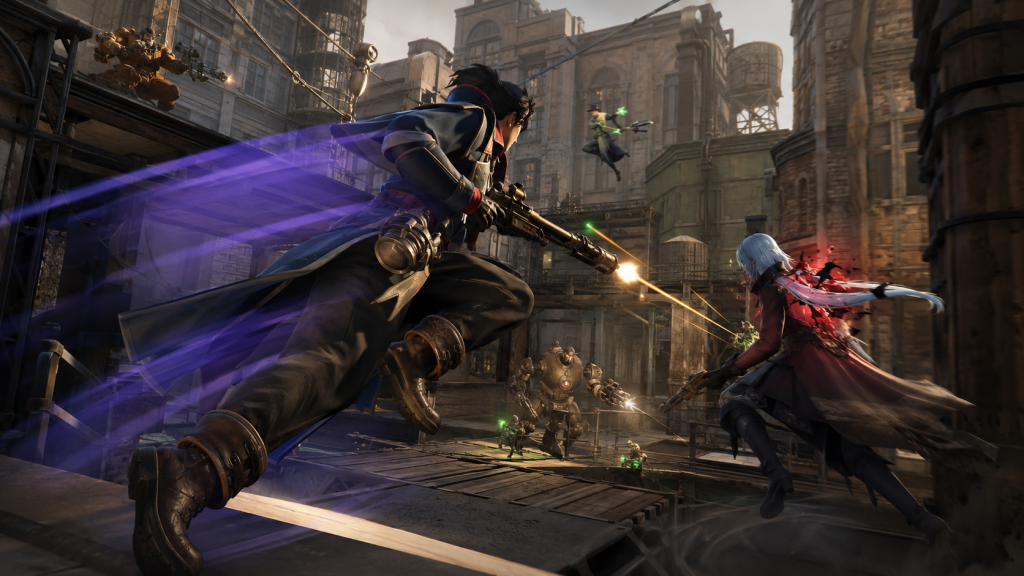
Deadlock is a demanding game even before ranked matchmaking enters the picture. If you’ve never played a MOBA before, you’ll have a lot to learn at once: shooting, movement, itemization, map awareness, farming, rotations, timings, and team fights.
Players coming from Dota 2 will probably have an easier time adapting because Deadlock shares plenty of its strategic DNA with Valve’s other competitive game.
For everyone else, these are the areas worth working on first.
Learn a Small Hero Pool
Knowing your hero matters more than constantly chasing whatever looks broken on the current patch.
Stick with around three or four heroes that you actually enjoy and learn them properly.
You need to understand their abilities, item choices, movement options, matchups, and what they should be doing at different stages of the game. Trying a completely unfamiliar hero in ranked while still learning basic macro is usually a recipe for disaster.
Don’t be that person who discovers a supposedly broken off-meta Dynamo build halfway through a ranked match.
Remember That Heroes Can Fill Different Roles
Deadlock heroes aren’t always locked into one rigid role.
Even a character normally viewed as a hard carry, such as Seven or Wraith, can be built toward other jobs, including initiation, support, or tanking.
Whether that’s actually a good idea depends heavily on the enemy composition and what your own team needs.
If your team already has too many damage-focused carries, don’t automatically pick another one just because that’s what the hero is traditionally known for. Filling the missing role can be much more valuable.
Newer Deadlock characters tend to have more defined identities than some of the older roster, but flexible builds are still part of the game’s design.
Learn Counter-Building
If there’s one item-related skill worth mastering for ranked, it’s counter-building.
Deadlock isn’t a game where you should blindly follow the same shopping list every match. Pay attention to what the enemy team is building and adjust your items accordingly.
This becomes increasingly important as you climb, yet surprisingly few players seem willing to change their builds even in above-average lobbies.
Learn the items.
Learn what they counter.
Then actually buy them.
A mechanically strong player with the wrong build can still make life miserable for their own team.
Improve Your Movement
Deadlock sits somewhere between a traditional MOBA and a movement shooter. That means mechanical movement isn’t optional.
Think Quake or Ultrakill mixed with Dota-style strategy.
Start with the basics, such as diagonal dashing, then work your way toward more advanced techniques like wall bounces.
Some heroes are particularly well suited to movement-heavy play, including Apollo, so experimenting with those characters can help you understand just how much mobility matters.
Good positioning gets you into fights.
Good movement helps you survive them.
Learn Important Map Timings
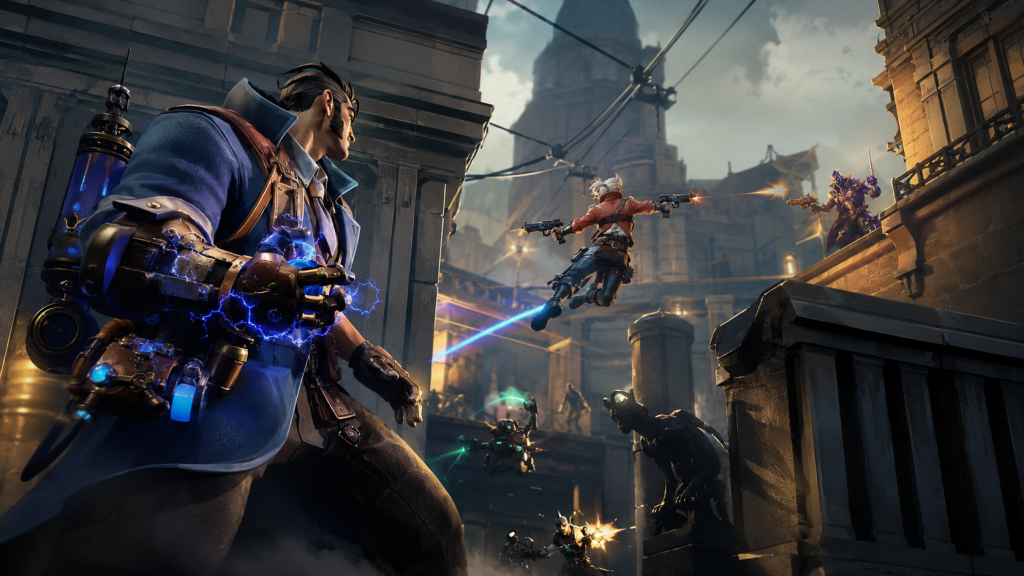
Macro becomes much easier once you know when important objectives and resources appear.
Start memorizing the spawn timings for:
- Slot machines
- Soul Urns
- Jungle camps
- Mid Boss
New players should still focus on improving their micro first. There’s not much point making perfect macro calls if you can’t reliably execute your hero’s basic mechanics.
But once those fundamentals start becoming automatic, knowing the map’s timings will make you much more useful to your team.
A well-timed call about an objective can be the difference between losing control of the map and starting a comeback.
Communicate With Your Team
Deadlock is a team game. Treat it like one.
Turn off the music blasting through your headset, use your microphone, and pay attention to your teammates’ callouts. This isn’t a solo shooter where everyone can independently run around the map and expect things to work out.
If you’re being attacked, tell your team.
If you notice enemies waiting for the Soul Urn, call it out.
If you spot something important on the map, communicate it instead of assuming everyone else saw it.
You especially shouldn’t rely on your teammates automatically noticing every minimap indicator. Outside of mid-rank lobbies, players often aren’t paying enough attention to those small blips to react consistently.
Sometimes the most valuable play you make all game is simply saying what’s happening.
Tune Your Settings
Deadlock gives players plenty of control over their settings, so don’t blindly copy someone else’s configuration.
Set things up in a way that feels comfortable for you, particularly when it comes to graphics and controls. If you’re still trying to figure out the best graphics configuration, a dedicated Deadlock graphics settings guide can help you work through the available options.
There isn’t much point grinding ranked if your setup itself is getting in the way.
Final Thoughts
Deadlock ranked isn’t designed to be a quick climb.
You first need 60 Standard wins and 15 wins on three heroes, then you have to complete eight solo placement matches before you even receive a rank. From there, the ladder demands steady improvement, and the game’s combination of shooter mechanics and MOBA strategy means there are plenty of ways to get better.
The best approach isn’t to obsess over your rank after every match.
Build a reliable hero pool. Learn item counters. Improve your movement. Memorize important timings. Communicate. Most importantly, pay attention to why you’re winning and why you’re losing.
And if ranked Deadlock starts feeling like an endless uphill fight with nothing enjoyable left in it, take a break. There’s no prize for forcing yourself through a game you no longer enjoy.
Deadlock’s competitive mode definitely won’t be everyone’s cup of tea. But if you like games that reward mechanical skill, smart decisions, strong teamwork, and a willingness to keep learning, there’s a lot here to sink your teeth into.